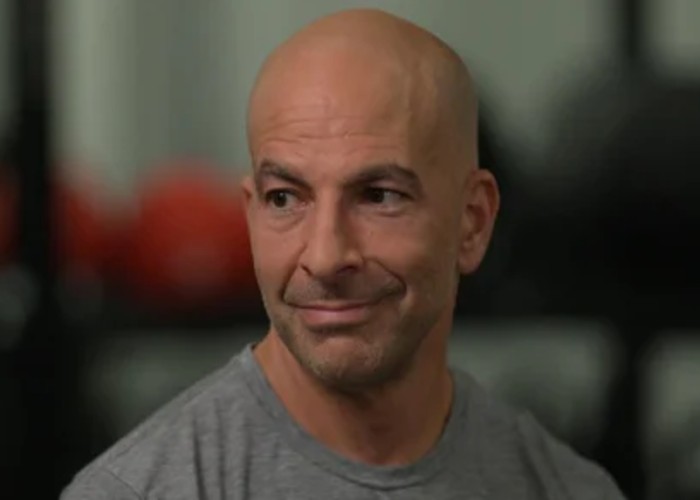
Lately, Peter Attia shows up often when people talk about staying sharp and strong as they age. Health that lasts—that’s his main interest. Instead of chasing trendy eating plans, he looks at what research actually says. Fixes that promise fast results? He skips those. Fighting off long-term illness matters more to him. One thing stands out—he gives away part of what he earns. From his clinic work came insights shared on a widely heard podcast, then expanded in a book many bought. What he says matters simply: step up for yourself today so energy stays strong both now and tomorrow.
Peter Attia began life in Canada in 1973.
His path unfolded through elite education, including a medical degree earned at Stanford University. From there, surgical training followed—general surgery first—with time spent at Johns Hopkins, known for one of the strongest programs around. Recognition came early, honors arriving due to sharp technique and relentless effort. Shifts happened later, pulling him toward deeper questions. At the National Institutes of Health, attention turned fully to science. Work centered on cancer, especially how to awaken the body’s defenses so they strike back at growing tumors.
Not one to follow old routines.
Surgery pulled Peter Attia in first. Then came time at McKinsey & Company, weighing in on how health care runs. Medicine mixed with study, blended into business—that shaped his outlook. By 2011, something shifted hard toward long life science—stopping illness well ahead of time.
Luckily, trouble shows early.
if you know where to look. Heart issues creep in slowly, just like tumors do. Diabetes pops up from daily habits piling up over years. Dementia slips through the cracks when brain health gets ignored. These four—heart failure, cancer, blood sugar chaos, and mental decline—are what Peter Attia labels as silent drivers of death. Not many physicians spot them ahead of time. Instead, they wait until symptoms shout. Yet Attia runs tests before alarms sound. Small shifts come first: sleep fixes, food changes, and movement boosts. His method? Call it forward-looking care. Catch the strain while it’s still thin. Stop the collapse before it starts.
At the top of his priorities sits exercise. Zones shape how he approaches it—steady sessions build stamina, while bursts of effort boost power. Lifting weights grows muscle mass, whereas stability drills cut fall risks. Food plays a role too, though cookie-cutter plans fail him. Instead, emphasis lands on protein-heavy dishes and eating within certain hours, along with tracking bodily signals such as glucose shifts.
Rest plays a big role, just like feelings. Seven to nine hours each night matters, says Peter Attia, along with talking through tough moments. His 2023 book, Outlive: The Science and Art of Longevity, digs into why both count. Copies flew off shelves. People everywhere picked it up fast.
The Drive began back in 2018, launched by Peter Attia.
It still runs today, pulling in more than a hundred million listens so far. Talks stretch out—sometimes two, maybe four hours long—digging into fasting, hormones, and how the mind stays sharp, along with other deep subjects. Big names show up: Andrew Huberman drops by, Rhonda Patrick appears, and even Tony Robbins makes an entrance. Questions come hard and clear. Understanding research gets shaped carefully through conversation.
Still going strong at 52, Peter Attia keeps his body sharp through intense routines. His YouTube channel delivers short videos alongside workout plans. Cold plunges, long swims, and time in the sauna are part of his daily rhythm—because he lives by the methods he shares. Age doesn’t slow him down, even though most would expect it to. Years of resistance drills, oxygen efficiency work, and strength effort shape how he performs now. While others fade, he stays locked into a pace that feels decades ahead.
Over Peter Attia Tips for beginners: To go 10,000 steps daily.
The heavy lift moves slowly, its load built up over seven days multiplied by a trio of weights. One full turnaround of the sun’s daily marker triples what hangs inside.
Start by putting first things first. Even when it gets late, keep sleep a priority. Not later—ready now.
Test biomarkers such as cholesterol and A1C.
February 2026 saw Peter Attia leave the CBS Newsroom without warning. Because of fresh talks around Epstein’s documents, past ties resurfaced along with personal history details. Coverage appeared fast—The New York Times, joined by AOL and LiveMint, noted the sudden shift. Blame isn’t placed either way; it simply happened. With care as a priority now, attention turns toward those he treats and what he shares. From that point onward, quiet dedication takes over.
Running now. At an early clinic in Austin, Texas, there are just a handful of patients so far. Costs will run high, yet outcomes should follow close behind. Top executives show up. Even pro sports figures come through. Peter Attia reached out recently. Stepping away entirely. Silence replaces the usual chaos.
Early hours find Peter Attia moving through a workout. A gentle spin pairs with weights when daylight first hits. Talks and replies fill the later part of his day. Pages replace pixels once evening settles in. By eight, screens stay off.
Every morning starts the same. His routine captures every detail—sleep scored by Whoop, blood sugar watched closely, and weekly scans tracking tissue shifts. Weight used to sit at 190 on a frame that stands six foot one. That number lingers in memory, pushing him forward. Fat dropped off slowly after changes kicked in. Hunger never showed up, thanks to small metabolic fixes done right. One typical day begins at five AM when control tightens instead of slipping away.
Lunch kicks off with eggs—creamy yolk spilling over toast. Avocado slices lie cool beside them. Berries pop one after another, tart and bright.
Later on, strength shows up. As night comes, meals with loved ones, quiet breathing.
Who is Peter Attia?
Maybe someone you recognize. He talks about slips he’s made—cycles of stopping and starting again. That kind of openness helps trust grow inside you. Instead of shouting trends, he leans into details: drinking can hurt, yet a glass now holds more sense than wild weekends. What drives him? Making sure your final years aren’t spent fading but living at full charge.
Some say it’s just for the wealthy few.
Yet basic habits—sleep, daily routine—are within reach of anyone. Fairpoint runs deep trials that come with a price tag. Still, movement fundamentals don’t require cash. Begin by keeping hold of Outlive; think of it as your guidebook. Tune into the show where ideas unfold across seasons. Visit peterattiamd for tools at no charge. A single habit can be tracked on Com. Guides show up there, also questions with answers. This week brings either next moves or a sleep time moved sooner. Habit stays the first focus.
Also read: Martin Short Family
Starting now means something different for everyone.
Maybe it begins with a question instead of an answer. Peter Attia points to tiny changes, not grand gestures. Whether avoiding noise or running toward drama through time, one thing holds: attention stays fixed on purpose. Health isn’t marked by dates but choices. Today counts because yesterday can’t be rewritten. What step comes first? That part is yours alone.
Also read: Luci4 Death Cause